Packaging buyer's workspace
A better boxstarts here.
See the options. Compare the details. Turn your product into a clear packaging brief.
What are you creating?
Three starting points. Choose the one closest to your product.
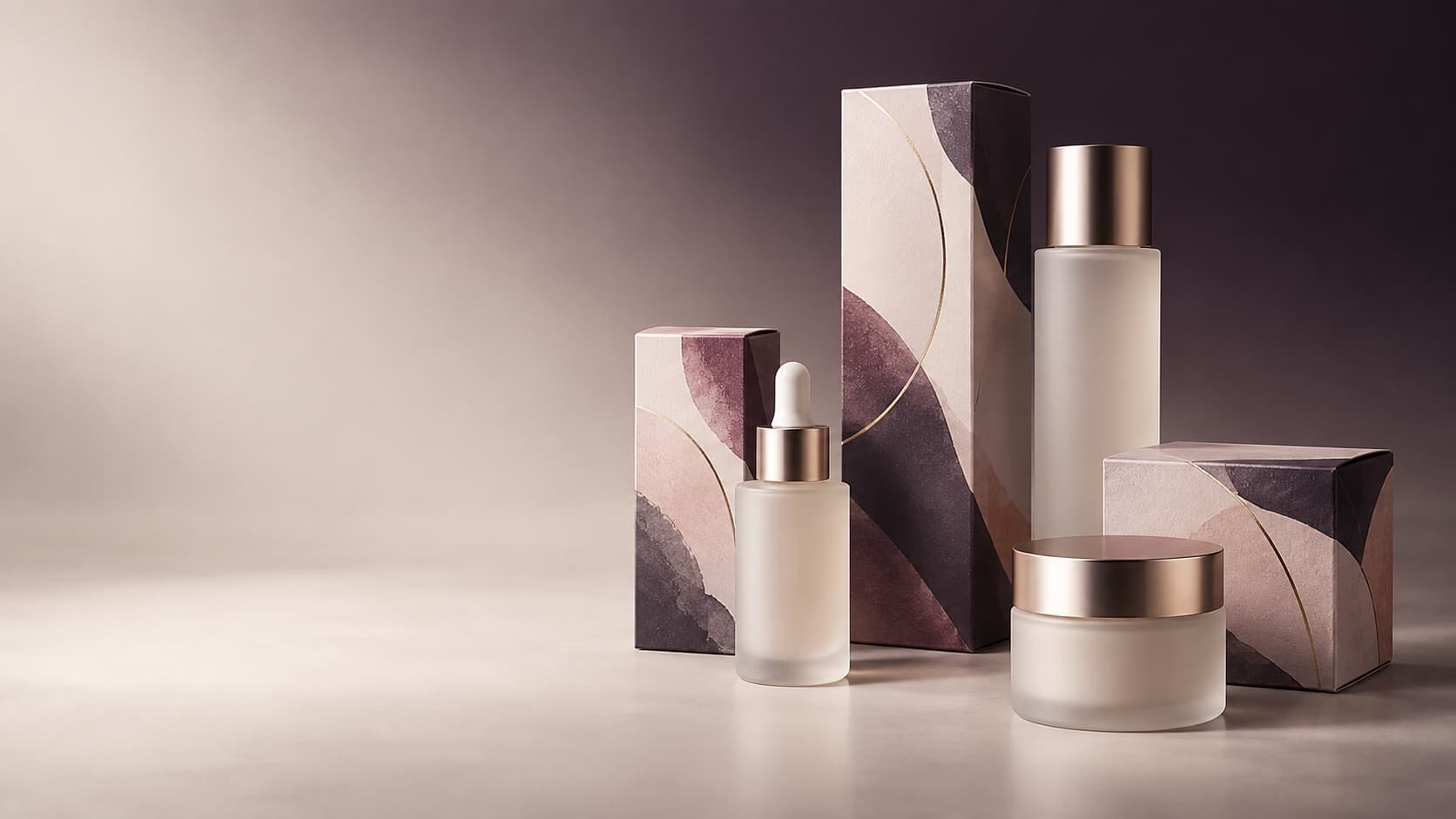
01Skincare & cosmetics
A considered fit for bottles, jars and the brand around them.
- Start with
- Product size + filled weight
- Compare
- Board, print + finish
- Confirm
- Fit + artwork
Open the technical guidance
Skincare and cosmetic unit boxes
Start with the actual bottle, jar or tube and its filled weight. Finished internal box dimensions and any insert must suit the product; a photograph alone does not establish the fit. If you already have artwork or a dieline, send that version rather than recreating the dimensions from memory.
Compare 300gsm and 350gsm art card as options, not automatic answers. Board stiffness, grain direction, product weight and box shape matter alongside GSM. Discuss CMYK or spot colours, lamination and selective decoration separately so the quotation makes the cost choices visible.
Prepare: product dimensions, quantity tiers, artwork status, desired finish and delivery location. Ask for a plain structural sample if fit is uncertain.
 02
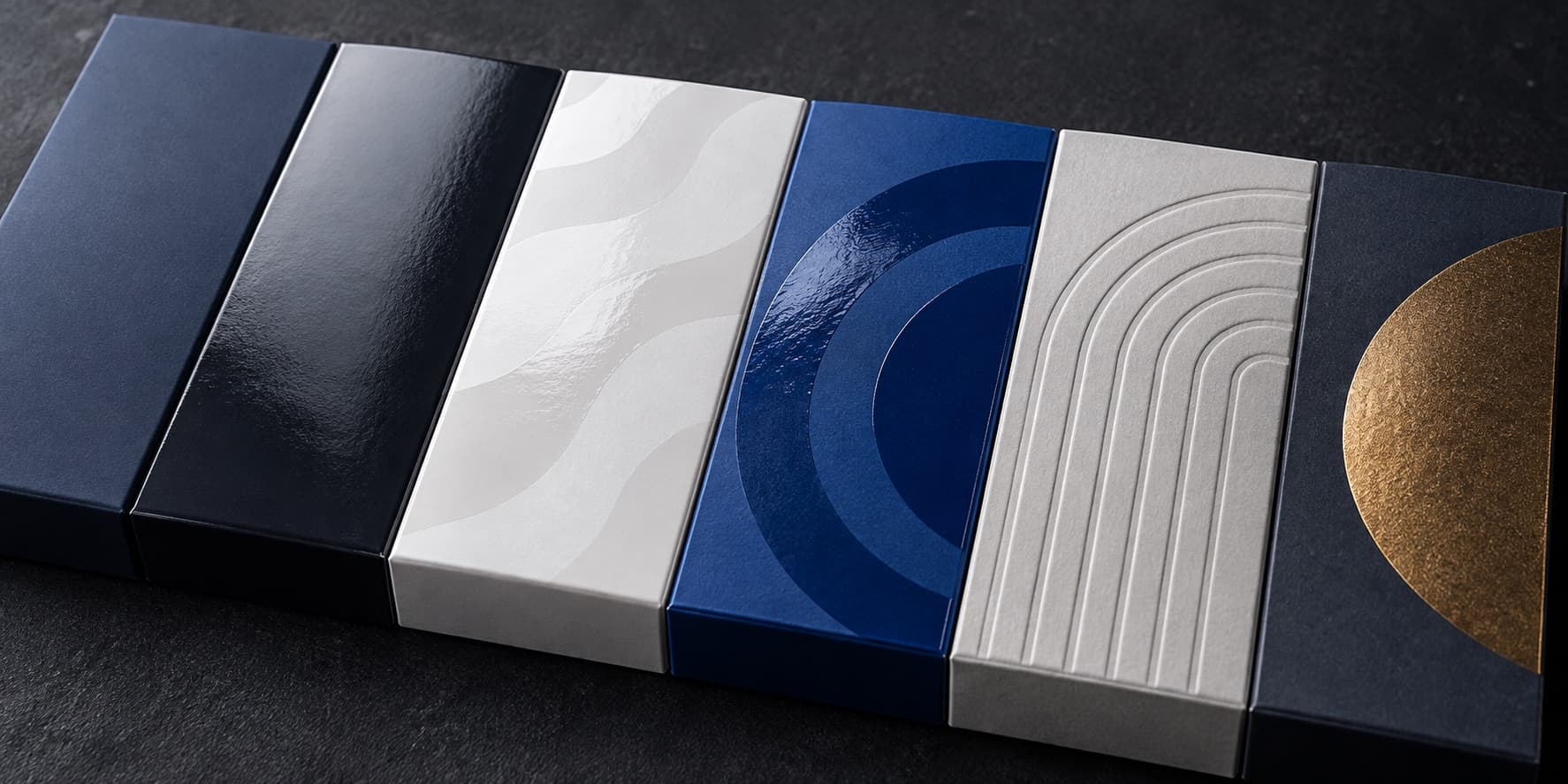
Premium gifts
Make the unboxing experience part of the gift.
- Start with
- Contents + presentation
- Compare
- Structure + decoration
- Confirm
- Protection + timing
Open the technical guidance
Premium corporate gifts and hamper packaging
List every item and show how it should sit inside the gift pack. The total load, internal protection and opening experience determine the useful structure. A premium printed folding carton, sleeve and rigid presentation box are different constructions—not interchangeable descriptions.
Use foil or emboss selectively on a logo or focal area. Confirm the decoration area, artwork suitability and any tooling before production. A rigid or unusual construction needs a separate feasibility assessment; it is not automatically covered by ordinary unit-box production.
Prepare: contents and dimensions, approximate quantities, event date, packing method and preferred presentation. A budget range helps compare alternatives but is not a confirmed order.
 03
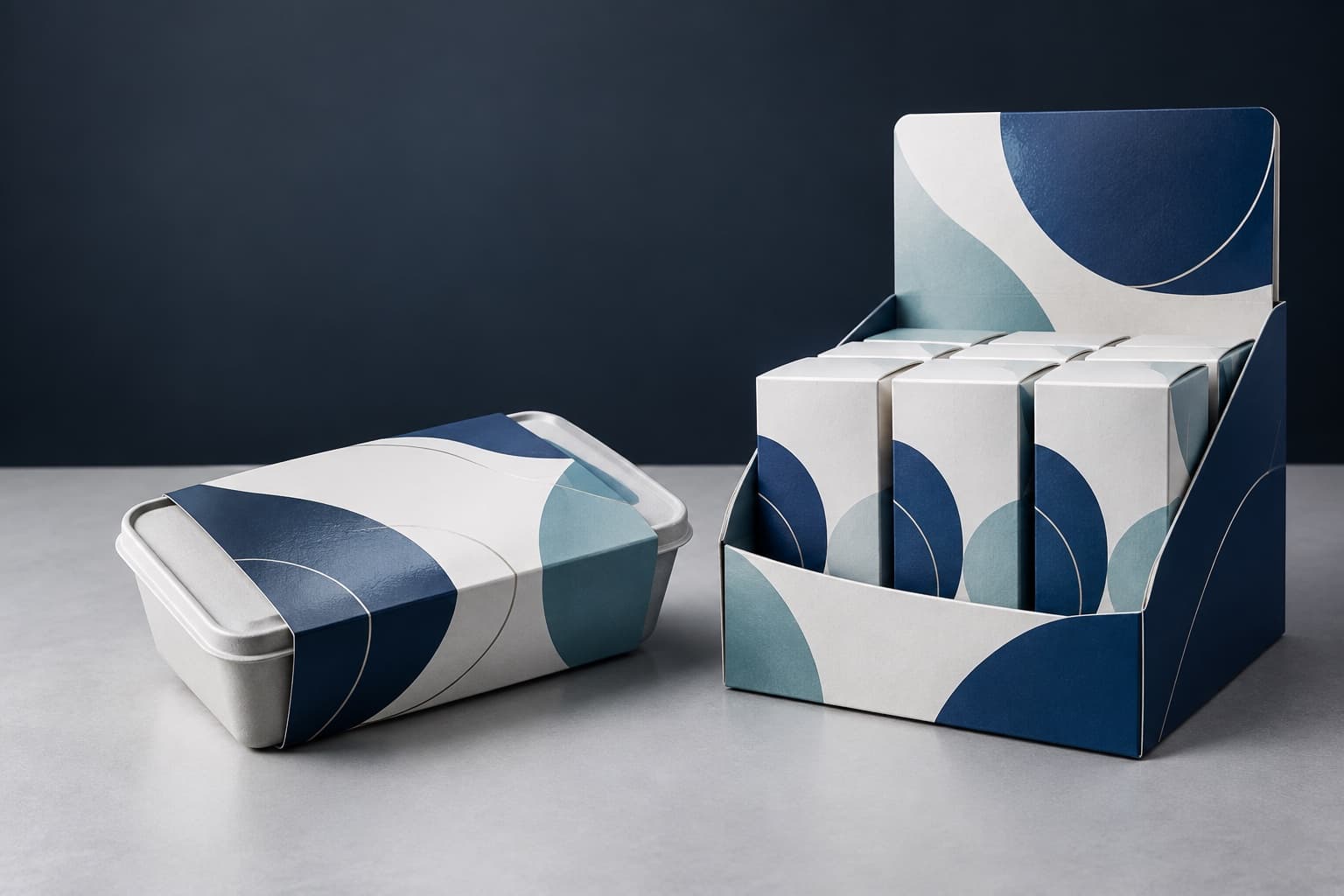
Sleeves & repeat orders
Refresh the presentation without losing track of the specification.
- Start with
- Packed product dimensions
- Compare
- Previous vs current version
- Confirm
- Fit + quantity tiers
Open the technical guidance
Retail sleeves and repeat packaging orders
For a sleeve, measure the packed item rather than the empty container. Include thickness and any seams or closures that affect the fit. A previous quotation or artwork reference helps identify the intended specification without assuming it is unchanged.
Separate changes in size, board, print, finishes and quantities from the previous version. Current pricing still needs current specifications and rates. An old sample is useful evidence, but not approval to reproduce old artwork or claim the same delivery date.
Prepare: a product photo, packed dimensions, previous reference if available, current artwork revision and quantity tiers. Flag anything that must change.
Packaging, explained in motion
See the detail. Imagine your next box.
Explore structure, surface and presentation before you request a quotation from Toprint in Kajang, Malaysia.
From flat board to a unit box
A folding carton begins as a printed, cut and creased blank. Folded panels and a glued seam form the box; the closure and internal fit must suit your actual product.
- 01Print, cut and crease
- 02Fold and glue the seam
- 03Confirm product fit
Small details. Premium impact.
Matt lamination, selective foil and spot UV create different surface effects. Compare the decoration area and artwork—not just the finish name—before confirming tooling and cost.
- 01Matt: a subdued surface
- 02Foil: metallic emphasis
- 03Spot UV: selective gloss
Make opening part of the gift
The contents determine the protective insert, usable space and opening experience. A rigid presentation box is a different construction from an ordinary folding carton and needs its own assessment.
- 01Plan the contents
- 02Assess insert and protection
- 03Confirm the construction
Simplified illustrations—not production dielines, physical finish samples or customer projects. Construction, product fit, materials, decoration and price require confirmation. Colours and reflections on screen are indicative.
Interactive packaging lab
Your product. A packaging direction.
Choose a product format and watch a cutaway concept come together. Start a better packaging conversation—not a guess at the final dimensions.
Choose a product format
A compact carton for a tall product
A tall skincare bottle can start with an ordinary folding-carton concept. The cap, shoulders and filled weight matter—not just the bottle body.
Confirm before quotation
- Measure the complete product, including cap or pump.
- Assess internal clearance and whether an insert is needed.
- Confirm carton structure, board and artwork.
Give wider products the right footprint
A wider, shorter carton can suit a cream jar. Check the lid diameter and product weight before choosing the base, closure and protection.
Confirm before quotation
- Use the widest point, including the lid.
- Assess support for glass or heavier filled jars.
- Confirm internal space with a physical sample.
Make each item part of the presentation
A multi-item gift box starts with the contents. Separate positions and an assessed insert can help organise the set; the final construction needs its own review.
Confirm before quotation
- Confirm every item and its filled dimensions.
- Assess spacing, retention and transit protection.
- Compare a folding carton with a rigid presentation box.
Concepts are not production designs or fit calculations. Actual product samples, dimensions, board, protection and construction must be assessed. No price or manufacturing specification is calculated here.
FROM PRODUCT TO PROJECT BRIEF
Five things. One clearer conversation.
- 01Product
What goes inside, with dimensions or a sample
- 02Quantity
Quantities to compare—not an assumed order
- 03Artwork
Artwork, colours and decoration preferences
- 04Timing
Required date and delivery location
- 05Confirm
Confirmed requirements versus options to recommend
Before requesting a quotation
The details, when you need them.
Can I enquire without a finished dieline?
Yes. Send the product dimensions, a photo and what you need the box to do. Toprint can discuss a preliminary structure. Any suggested size or material must be confirmed before production.
What helps avoid an inaccurate price comparison?
Compare the same quantity, construction, material, print, finishing and packing requirements. Identify sample, tooling and delivery assumptions separately instead of comparing only the unit price.
Can Studio replace final production approval?
Studio helps you prepare artwork and follow the ordering journey. Final artwork, specifications, quotation and production still follow the applicable review and confirmation steps.
Your next box starts with what you already know.
A photo, dimensions or a reference is a useful start. Leave open choices for recommendation.
About this guide · Images & project confirmation
A practical starting point for Malaysian brands comparing unit boxes, premium gift packaging and retail sleeves. Choose the application first, then prepare a brief that separates confirmed requirements from choices still open to recommendation.
These are application guides, not customer case studies or promises of a completed installation. Images elsewhere on the site may be illustrative; final construction, artwork, price and delivery require project confirmation.
Application guidance · Updated 13 October 2026